

Understanding the Facelift Procedure and Initial Healing
Before diving into the recovery timeline, it’s helpful to understand what happens during a facelift. The procedure involves lifting and repositioning facial tissues, removing excess skin, and carefully closing incisions around the ears and hairline. During the initial healing phase, your body responds to this surgical intervention with inflammation and swelling – completely normal responses that are part of the healing process.
The extent of swelling and bruising depends on several factors, including the surgical technique used, your individual healing capacity, age, skin quality, and how well you follow post-operative care instructions. Some patients experience minimal bruising, while others may see more pronounced discoloration that gradually fades from deep purple to yellow-green before disappearing.
The Complete Healing Timeline After Facelift Surgery
Post Op Days 1-7: The Peak Swelling Phase
The first week represents the most dramatic phase of recovery. Swelling peaks around day 2-3 after surgery, and you may feel like you look worse before you look better – this is completely normal and expected.
During this time, you’ll likely experience:
Significant facial swelling, particularly around the cheeks and jawline
Bruising that may extend down to the neck
Tightness and numbness in treated areas
Mild to moderate discomfort managed with prescribed medication
Drainage tubes (if used) removed within the first few days
Your surgeon will see you for follow-up appointments to monitor healing, remove any drains, and check incision sites. Most patients keep their head elevated during sleep and use cold compresses to manage swelling during this critical first week.
Weeks 2-3: Noticeable Improvement
By the second week, you’ll notice a significant reduction in swelling – often 50-60% of the initial inflammation has resolved. Bruising begins fading from darker colors to lighter yellows and greens before disappearing entirely. Many patients feel comfortable appearing in public with strategic makeup application by week three, though some residual puffiness remains.
Sutures are typically removed during this period, usually around days 7-10. You’ll start to see glimpses of your new contours, though your face is still settling.
Returning to Normal Activities: Weeks 4-6
This is when most patients feel confident resuming normal activities and social engagements. Swelling has diminished substantially, though subtle puffiness may persist, especially in the morning or after physical exertion. You’ll likely receive clearance to:
Return to work (for desk jobs)
Resume light exercise like walking
Wear regular makeup to conceal any remaining discoloration
Sleep in more comfortable positions
However, you’ll still need to avoid strenuous exercise, heavy lifting, and activities that significantly elevate blood pressure. Most surgeons recommend waiting 4-6 weeks before resuming vigorous workouts.
Months 2-3: Continued Refinement
At this stage, approximately 80-90% of swelling has resolved. Your face looks significantly better, and most people won’t notice you’ve had work done unless you tell them. Residual swelling is subtle and primarily visible to you and your surgeon. Incision lines continue fading and can be easily concealed with hair and makeup.
You can typically resume all normal activities, including intense exercise, contact sports, and other physically demanding pursuits. Your facial features continue settling into their final position.
Deep Plane Facelift Recovery: What Makes It Different
The deep plane facelift is a more advanced technique that addresses deeper facial structures, providing longer-lasting and more natural results. However, because this approach works beneath the superficial muscular aponeurotic system (SMAS) layer, it may cause slightly more initial swelling than traditional facelifts.
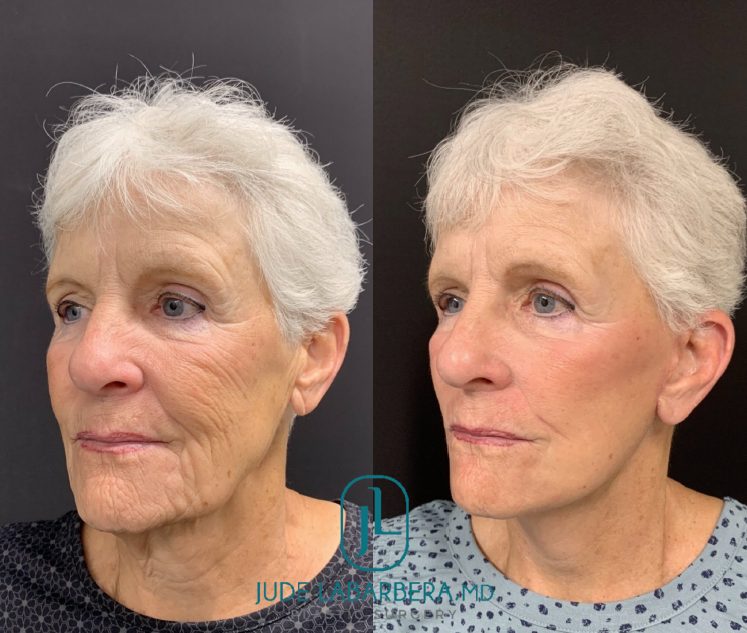
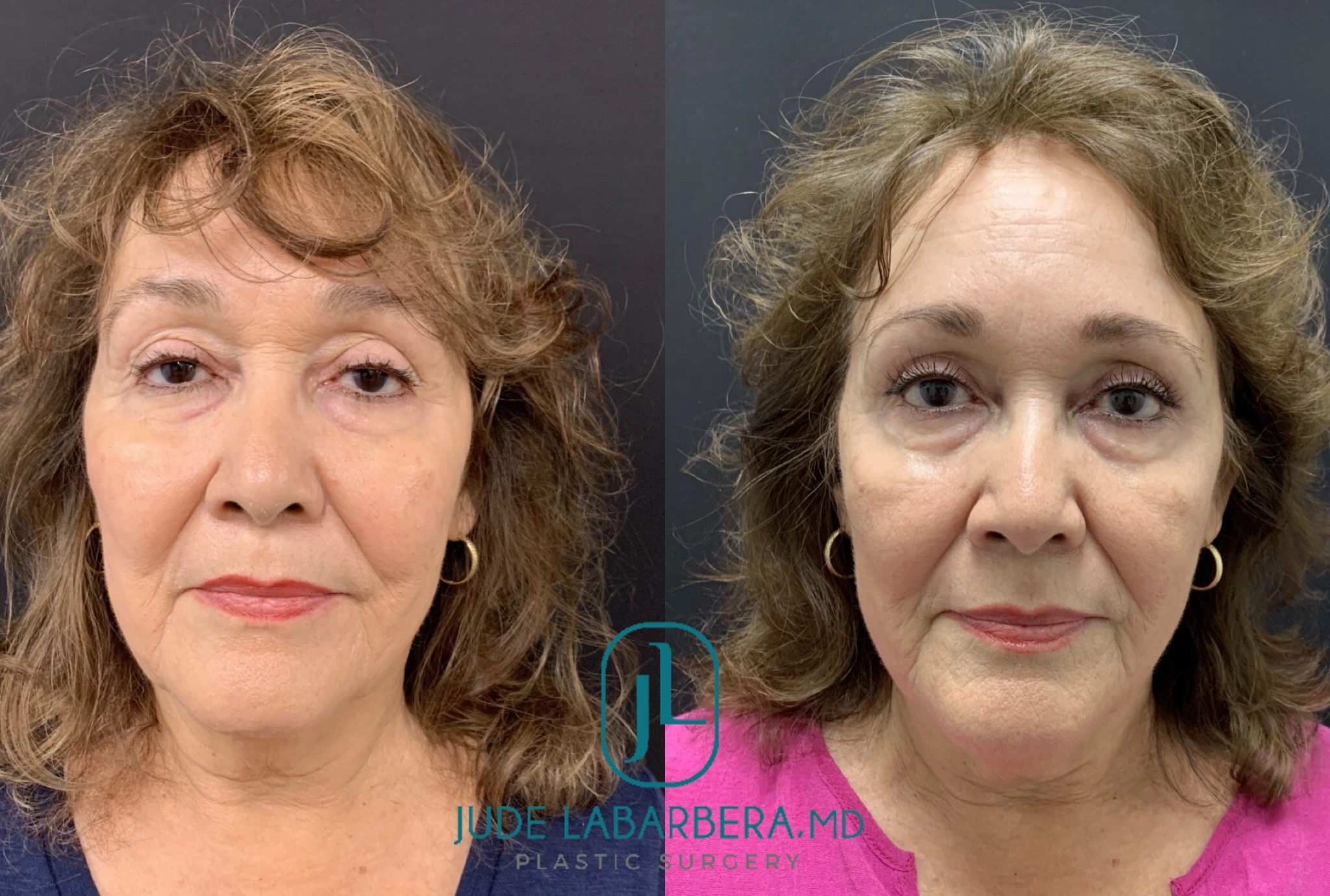
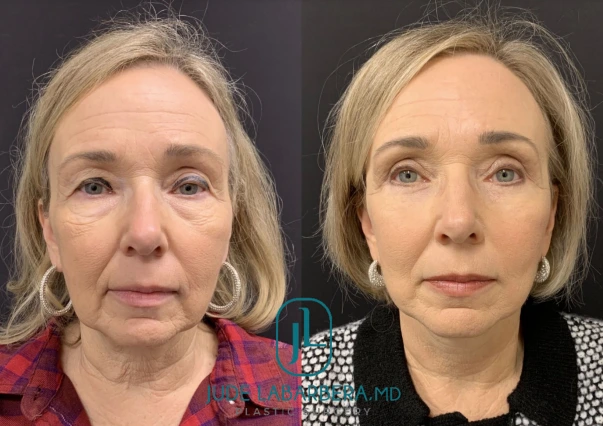
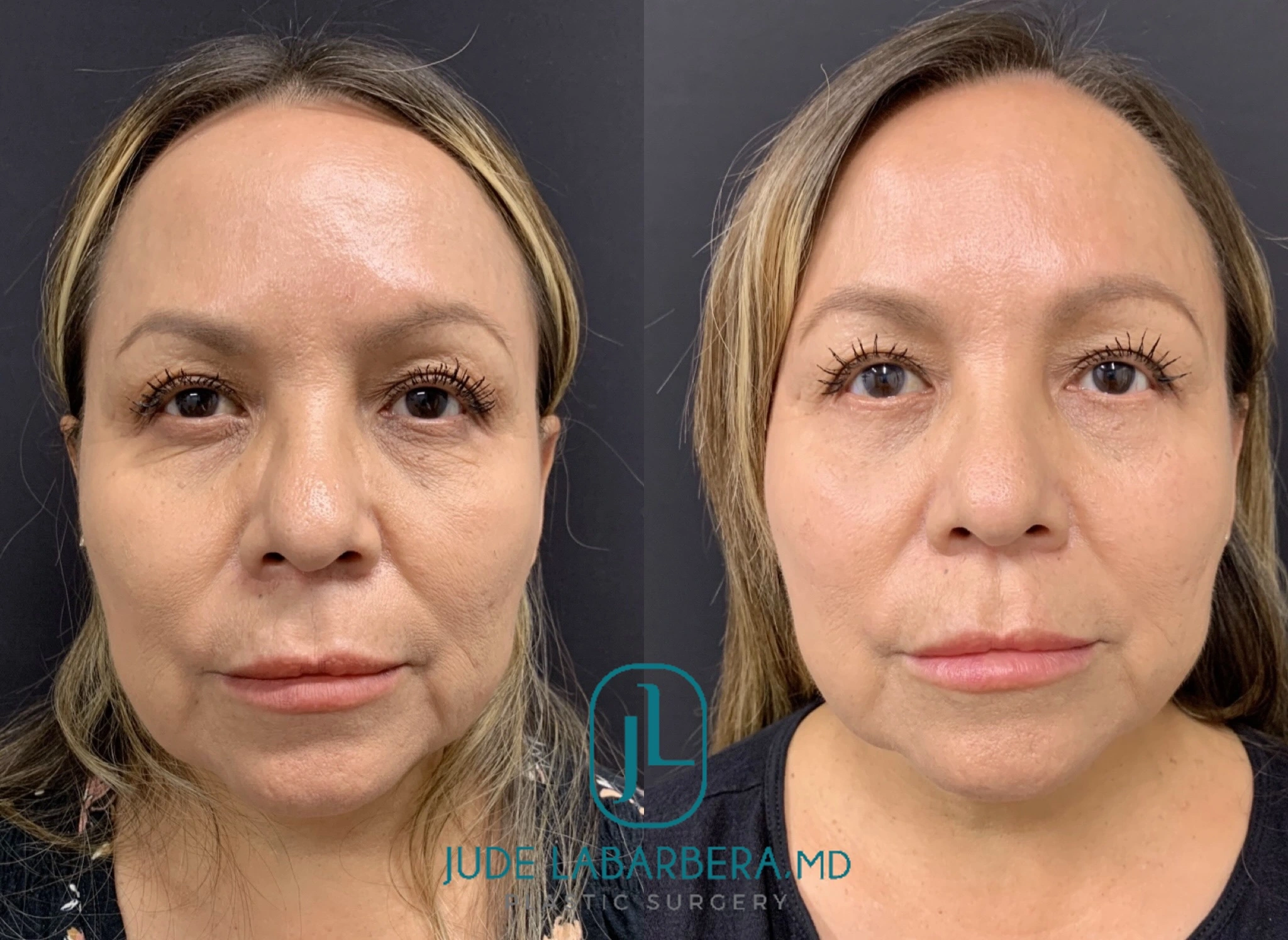
Patients who undergo this technique should expect swelling to persist a bit longer – sometimes 2-3 weeks of noticeable puffiness rather than 10-14 days. However, the trade-off is worthwhile: deep plane facelifts typically provide superior, longer-lasting results with a more natural appearance because they restore facial structures to their youthful position rather than simply pulling skin tight.
The recovery principles remain the same – patience, proper care, and following your surgeon’s instructions – but you may need to allow an extra week or two before feeling comfortable in all social situations.
When You'll See Your Final Results
This is the question every patient wants answered: when will I see my final results? The honest answer is that facial healing is a gradual process that unfolds over several months.
Timeline breakdown:
2-4 weeks: Initial results visible; you look “different” but still somewhat swollen
6-8 weeks: 75-80% of final result apparent; most swelling resolved
3 months: 90% of final result visible; subtle refinement continues
6-12 months: Complete final results; all internal healing complete, scars fully matured
While most of the dramatic change is visible by month three, subtle improvements continue as residual swelling dissipates, incisions fade to thin white lines, and tissues fully settle. Some patients notice minor changes even up to a year post-surgery.
It’s important to remember that “final” doesn’t mean static. Your facelift results will continue to age naturally over time, though you’ll always look younger than if you hadn’t had the procedure. Most modern facelifts last 10-15 years before significant aging becomes apparent again.
Tips to Minimize Scarring During Plastic Surgery Recovery
While your surgeon’s skill determines incision placement and closure technique, you play a crucial role in how well those incisions heal. Following these guidelines can help minimize scarring:
Immediate post-operative care:
Keep incisions clean and dry as instructed
Avoid touching or scratching healing areas
Don’t remove scabs or pick at incision sites
Follow wound care instructions precisely
Long-term scar management:
Use silicone scar treatments once cleared by your surgeon (usually 2-3 weeks post-op)
Protect scars from sun exposure with SPF 50+ sunscreen for at least one year
Consider scar massage techniques once fully healed
Be patient – scars continue improving for 12-18 months
Most facelift incisions are strategically placed in natural creases and hairlines, making them virtually undetectable once fully healed. The pinkish appearance of new scars gradually fades to match your skin tone.
Schedule Your Facelift Consultation at Our Clinic
If you’re ready to explore facial rejuvenation procedures and achieve a refreshed appearance, our experienced surgeon, Dr. LaBarbera, is here to guide you through every step of the process. Whether you’re considering a traditional facelift, neck lift, or other surgical procedures, patients begin their journey with a comprehensive consultation where Dr. LaBarbera evaluates your unique facial structure, discusses your aesthetic goals, and explains how his meticulous surgical technique protects delicate nerve pathways while delivering natural-looking results. From younger patients seeking preventative treatments to those addressing more advanced signs of aging, Dr. LaBarbera’s expertise ensures visible improvement with minimal downtime. He’ll walk you through what to expect during your successful recovery, including how to manage residual bruising and when you’ll see your final results.
Contact our clinic today to schedule your personalized consultation and take the first step toward looking as vibrant as you feel.
Conclusion
Understanding the facelift recovery timeline empowers you to approach your cosmetic surgery journey with confidence and realistic expectations. While a facelift is a major surgery that requires respect for your body’s natural healing process, modern surgical techniques that minimize tissue trauma have significantly reduced recovery time compared to procedures performed decades ago. The first few weeks are crucial – following post-operative instructions carefully, managing surgical trauma with prescription pain medication as directed, wearing surgical dressings properly, and taking steps to minimize swelling all contribute to optimal incision healing and minimal scar tissue formation. Patients start to see their healing progress accelerate once they’re cleared for light cardio and other activities, though sun protection remains essential to prevent visible scarring, and unusual swelling should always be reported to your surgeon immediately.
Remember that both physical and emotional recovery are part of achieving your youthful appearance through facial procedures. Some patients experience slow healing or moments of doubt during the process, but trust that your body is working diligently to reveal your beautiful results. By respecting the recovery process, maintaining patience during the transformation, and staying in close communication with your surgical team, you’ll navigate this journey successfully and enjoy the confidence that comes with your rejuvenated look for many years ahead.

Dr. M. Jude LaBarbera
Board-Certified Plastic Surgeon
Dr. Labarbera is devoted to providing the highest quality of surgical excellence and a superior level of care delivering life-changing, natural-looking results through cosmetic and reconstructive procedures. With years of specialized training and a patient-first philosophy, he has helped countless individuals restore confidence and redefine their appearance.
February 19, 2026