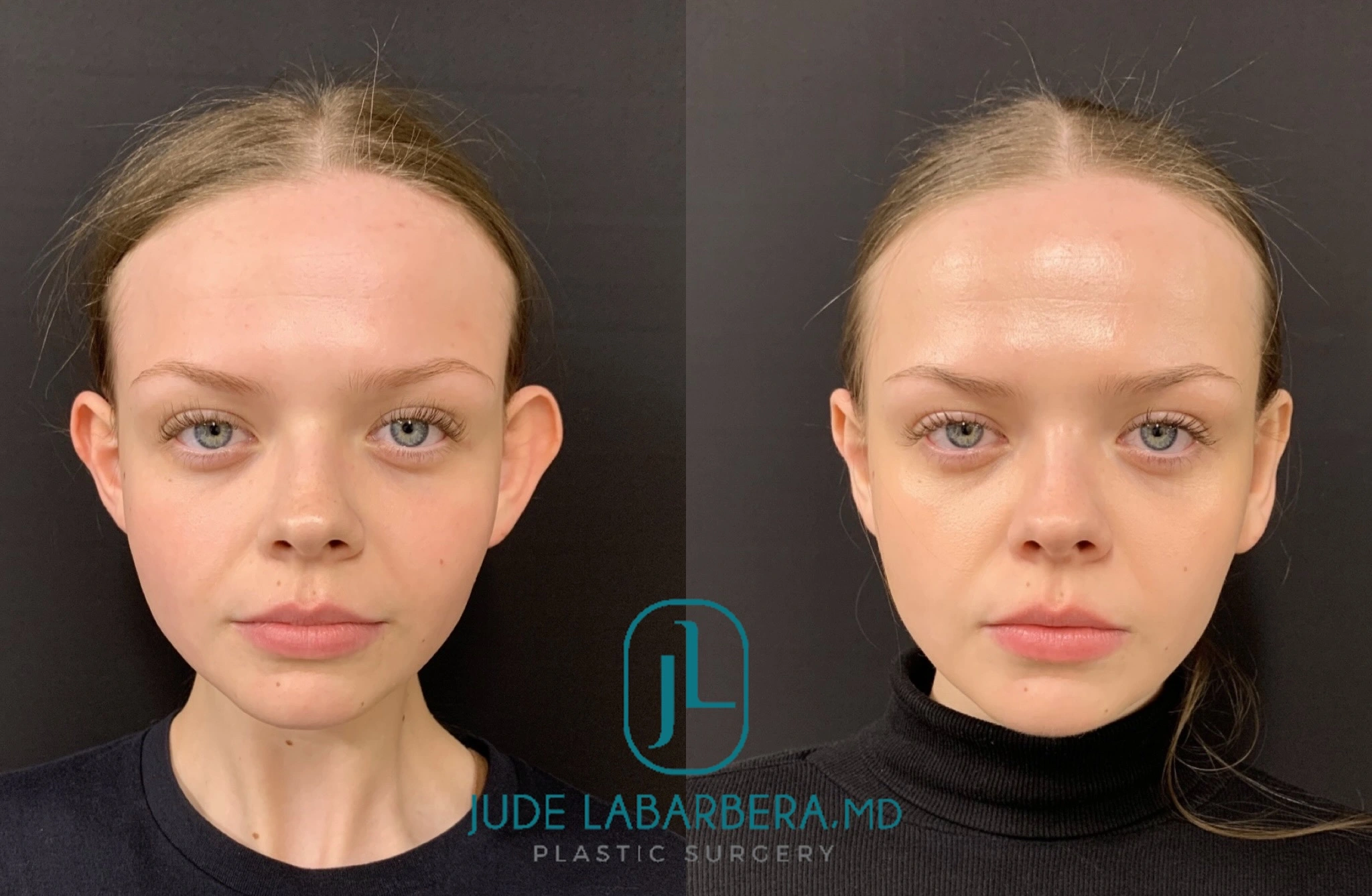
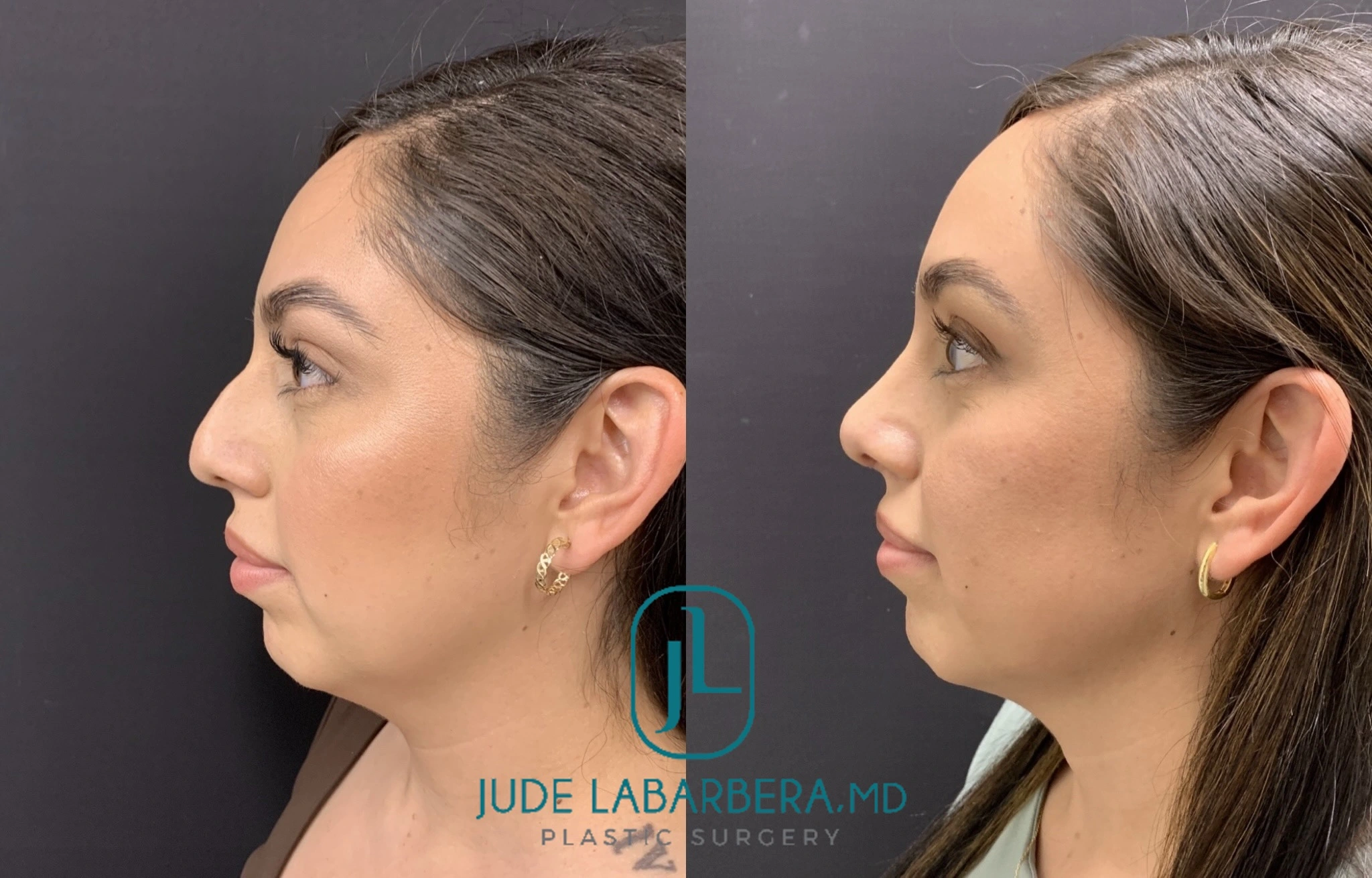
Botox vs Fillers: Differences, Benefits, and What to Expect?
If you're considering cosmetic treatments to address signs of aging, understanding the distinction between Botox and dermal fillers is essential for making an informed decision. Botox works by temporarily relaxing muscles that cause dynamic wrinkles, such as crow's feet and frown lines, with results lasting three to four months. Fillers, on the other hand, restore lost volume and plump up static wrinkles, hollow areas, and thinning lips, typically lasting anywhere from six months to two years, depending on the product used. The treatment you need depends entirely on what's causing your aesthetic concerns – whether it's muscle movement creating wrinkles or volume loss causing sagging and hollowing.
Understanding the fundamental differences between these procedures is essential for making an informed decision about your body contouring journey. Both surgeries can dramatically improve your appearance and confidence, but they address different concerns and involve varying levels of invasiveness, recovery time, and long-term results.

Understanding Facial Rejuvenation: The Basics
Facial rejuvenation encompasses a wide range of treatments designed to turn back the clock on visible aging. As we age, our faces undergo two primary changes: muscle activity creates lines and wrinkles, while the natural loss of collagen, fat, and bone structure leads to volume depletion and sagging skin. This is where the fundamental difference between Botox and fillers becomes crucial.
Many people assume these treatments are interchangeable or that one is simply a stronger version of the other. In reality, they’re completely different products that address entirely different aging concerns. Think of it this way: if your home has a leaky faucet and a hole in the wall, you wouldn’t use the same tool to fix both problems. The same principle applies to facial aging – different concerns require different solutions.
How Botox Works
Botox treatment involves injecting purified botulinum toxin type A into specific facial muscles. This neurotoxin temporarily blocks the nerve signals that tell your muscles to contract. When these muscles can’t contract as forcefully, the overlying skin appears smoother, and wrinkles are significantly reduced or eliminated.
The treatment is remarkably quick, often taking just 10-15 minutes with no downtime required. Most people experience minimal discomfort, describing the sensation as a slight pinch. Results begin to appear within three to seven days, with full effects visible around two weeks post-treatment.
What Botox Treats Best
Botox excels at addressing dynamic wrinkles – those lines that appear when you make facial expressions:
- Forehead lines: The horizontal lines that appear when you raise your eyebrows
- Crow’s feet: The fine lines radiating from the outer corners of your eyes when you smile or squint
- Frown lines: The vertical “11” lines between your eyebrows that appear when you concentrate or frown
- Bunny lines: Wrinkles on the bridge of your nose when you scrunchBotox can also perform a subtle brow lift by strategically relaxing muscles that pull the brow downward, allowing the forehead muscles to lift the eyebrows slightly higher. This creates a more open, refreshed appearance without surgery.
How Long Does Botox Lasts
The effects of Botox typically last between three and four months. Some people may find their results last slightly longer with repeated treatments as the muscles become trained to relax. Factors affecting longevity include your metabolism, the treatment area, and the dosage used. Most practitioners recommend scheduling follow-up appointments before the effects completely wear off to maintain consistent results.
Understanding Dermal Fillers
Dermal fillers are gel-like substances injected beneath the skin to restore lost volume, smooth lines, enhance contours, and plump areas that have become hollow or sunken with age. Most modern fillers are made from hyaluronic acid, a substance naturally found in the body that attracts and retains moisture.
Unlike Botox, fillers don’t affect muscle movement. Instead, they physically fill spaces beneath the skin, providing immediate volume and structure. The treatment typically takes 15-30 minutes, depending on the areas being treated, and results are visible immediately, though they may improve further over the following days as any swelling subsides.
What Fillers Treat Best
Fillers address static wrinkles and volume loss – concerns that are visible even when your face is at rest:
- Nasolabial folds: The lines running from the sides of your nose to the corners of your mouth
- Marionette lines: Lines extending downward from the corners of the mouth
- Cheek volume: Restoring fullness to flat or hollow cheeks
- Under-eye hollows: Reducing the appearance of tear troughs and dark circles
- Lip enhancement: Adding volume, definition, and symmetry to thin lips
- Jawline contouring: Defining and sharpening the jawline
- Chin augmentation: Improving chin projection and profile
How Long Fillers Last
The longevity of dermal fillers varies significantly based on the product used and the treatment area. Hyaluronic acid fillers typically last six months to two years. Fillers in areas with more movement, like the lips, tend to break down faster (six to twelve months), while those in relatively static areas like the cheeks can last 18-24 months or longer. Some longer-lasting fillers, such as calcium hydroxylapatite or poly-L-lactic acid, can provide results for up to 2 years, though they are less commonly used for certain applications.
Key Differences Between Botox and Fillers
Understanding these distinctions will help you identify which treatment addresses your specific concerns:
- Mechanism of action: Botox relaxes muscles to prevent wrinkle formation, while fillers add volume beneath the skin to plump and smooth.
- Treatment targets: Botox treats dynamic wrinkles caused by facial expressions; fillers treat static wrinkles and volume loss visible at rest.
- Results timeline: Botox takes several days to two weeks to show full effects; fillers provide immediate volume with final results visible within days after swelling subsides.
- Duration: Botox lasts three to four months on average; fillers last six months to two years, depending on the product and placement.
- Reversibility: Hyaluronic acid fillers can be dissolved with an enzyme called hyaluronidase if you’re unhappy withthe results; Botox effects must simply wear off over time.
Choosing the Right Treatment for Your Concerns
Selecting between Botox and fillers – or determining whether you need both – starts with identifying what bothers you most in the mirror. Stand in front of a mirror with your face completely relaxed. The lines you see without making any expressions are static wrinkles and volume loss, which fillers address. Now make various expressions: smile, frown, raise your eyebrows, squint. The lines that appear during movement are dynamic wrinkles that Botox targets.
If you’re in your late 20s to early 30s and starting to notice fine lines only when you make expressions, Botox alone may be sufficient for preventative care. If you’re noticing deeper grooves, lost cheek fullness, or thinning lips regardless of your expression, fillers might be your primary solution. For many people experiencing multiple signs of aging, the answer isn’t either-or.
Combining Botox and Dermal Fillers
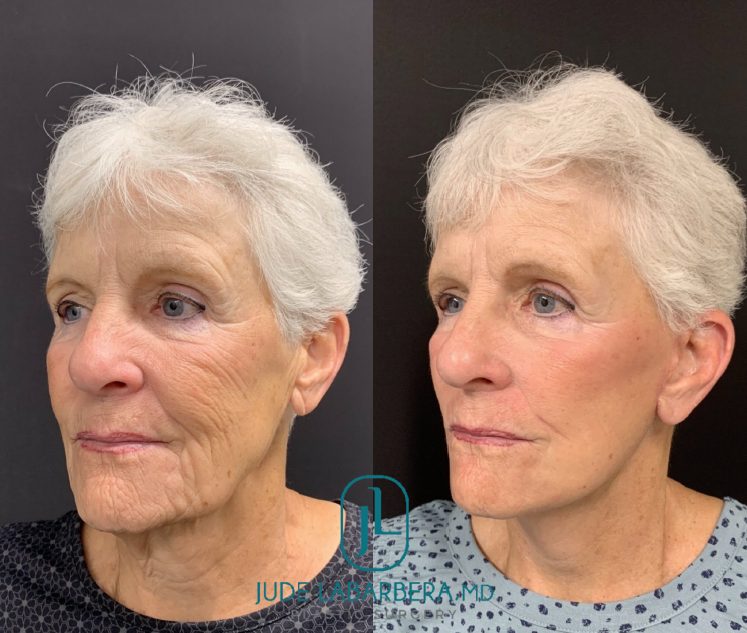
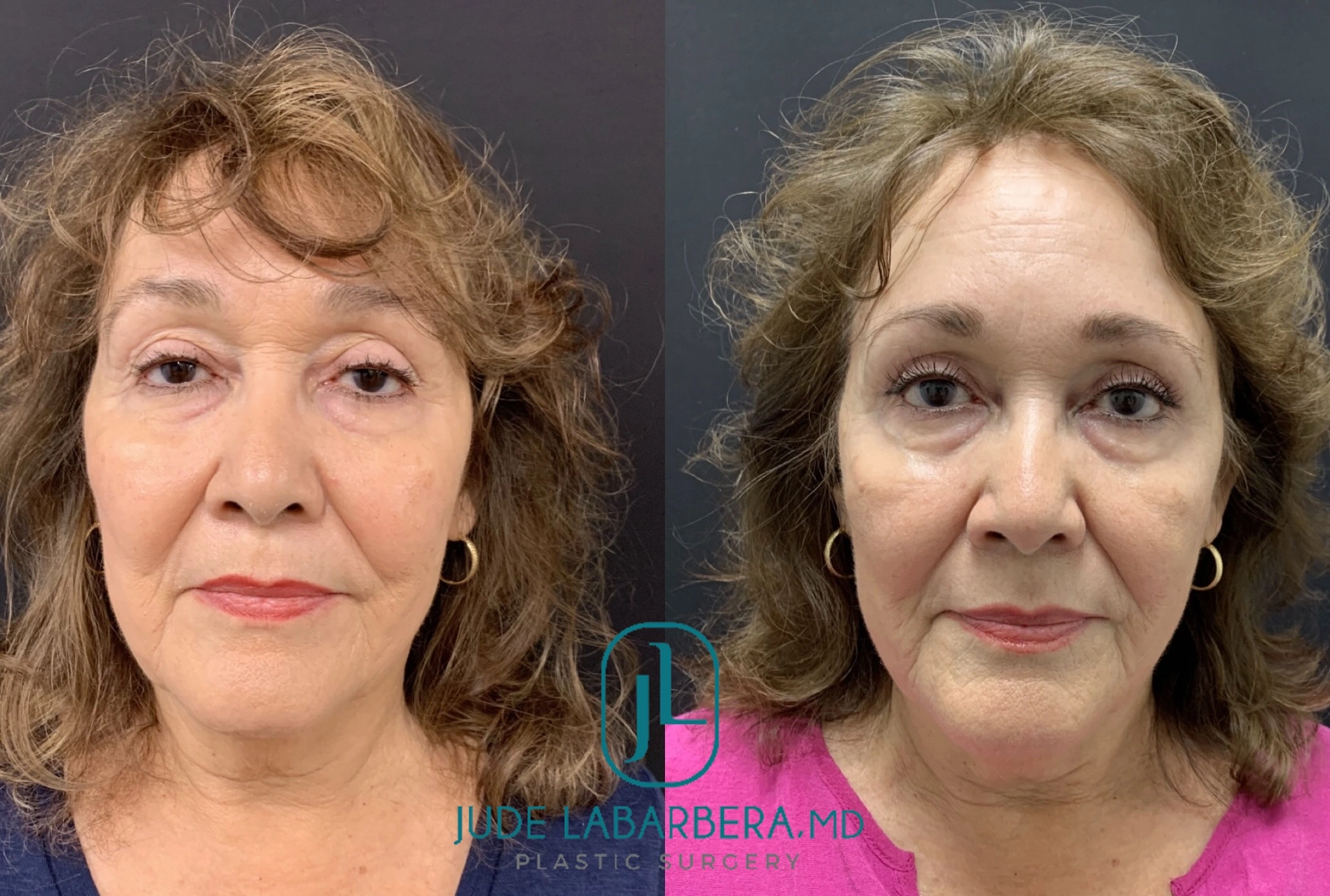
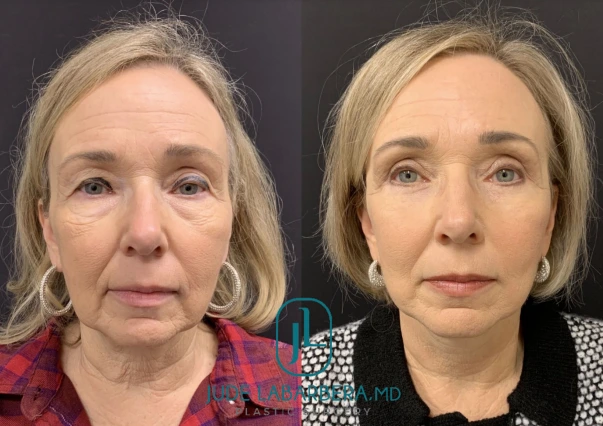
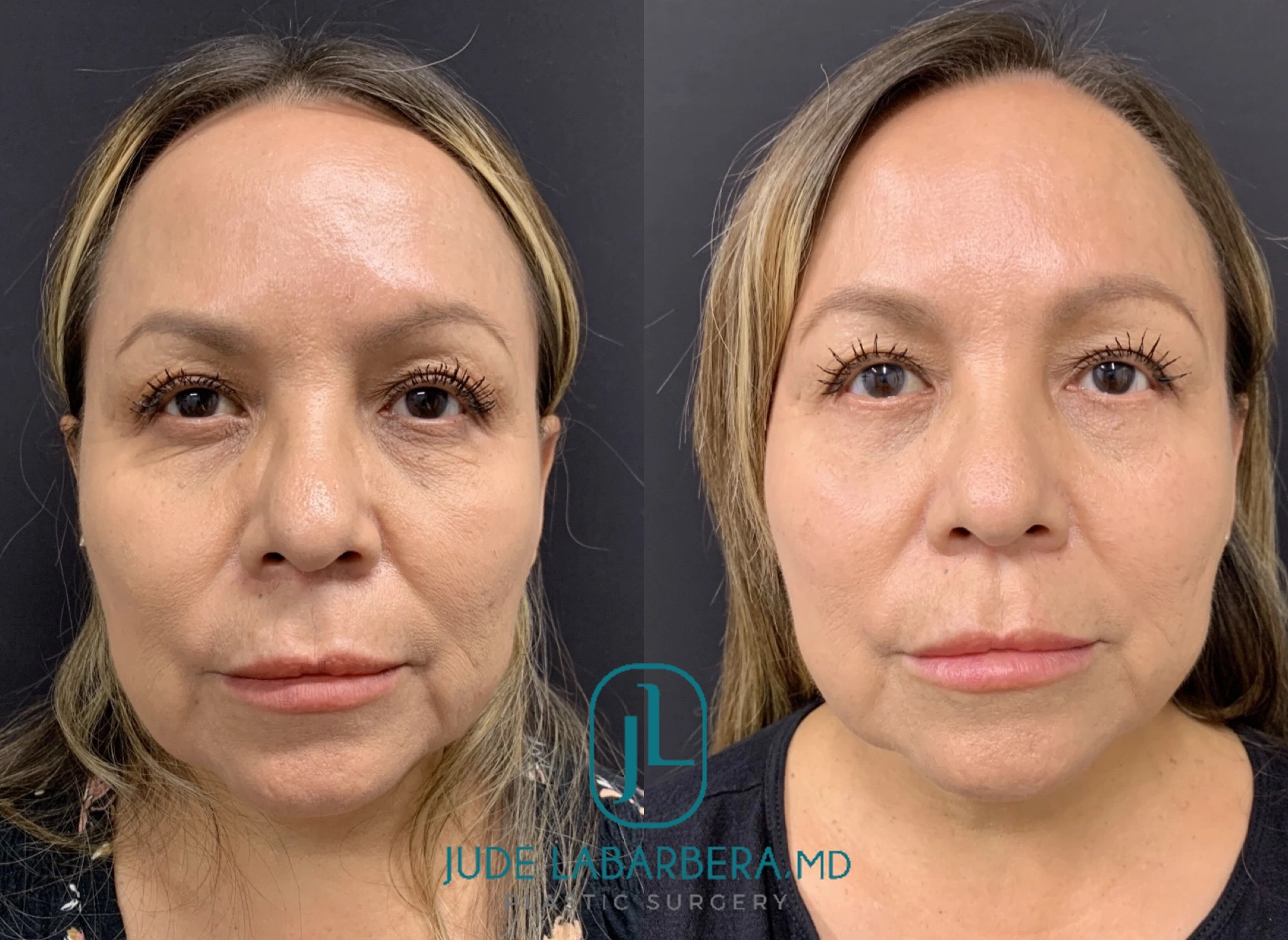
Many patients achieve their best results through a strategic combination of both treatments. This comprehensive approach addresses the full spectrum of aging concerns – both muscle-related wrinkles and volume loss. For example, you might use Botox to smooth forehead lines and crow’s feet while using fillers to restore cheek volume and soften nasolabial folds.
This combined approach is often called a “liquid facelift” because it can create dramatic rejuvenation without surgery. The treatments complement each other beautifully: Botox prevents new wrinkles from forming through repeated expressions, while fillers restore the youthful contours and fullness that naturally diminish over time. Many practitioners offer package deals for combined treatments, and scheduling them during the same appointment is perfectly safe and convenient.
Can I Replace a Brow Lift with Botox Treatment?
In some cases, Botox injections can offer a non-surgical alternative for people looking to refresh their appearance, especially when the goal is to treat forehead wrinkles and achieve a subtle lifting effect in the brow area. Botox works by relaxing specific muscles that pull the brows downward, which can create a more open look without the downtime of surgery. However, unlike a brow lift, Botox does not reposition skin or significantly change the underlying facial structure, so its effects are temporary and more limited. The best option depends on individual anatomy, goals, and how dramatic or long-lasting a result someone is seeking.
Final Thoughts on Botox and Fillers
The Botox vs fillers discussion isn’t about which treatment is better – it’s about understanding which addresses your specific concerns. If expression lines from repeated facial expressions are your primary issue, Botox is designed to smooth wrinkles by preventing the muscle contractions that create them. If you’re dealing with smile lines, hollow cheeks, or other signs of volume loss, dermal fillers can restore youthful contours. For comprehensive results, both Botox and dermal filler injections work synergistically to address the full spectrum of aging.
Whichever cosmetic procedure you choose, success starts with selecting a qualified practitioner who understands facial anatomy and can minimize risks at each injection site. Both dermal filler treatments and Botox injections are considered safe when performed by experienced professionals, with minimal downtime and natural-looking results. The key is recognizing that facial fillers and Botox serve different purposes in your anti-aging arsenal, and choosing the right treatment – or combination – based on what you see in the mirror and what you hope to achieve.