

Breast Augmentation Surgery: What to Consider Before Choosing Size
Breast augmentation surgery is a highly personal journey, and selecting the correct implant size is part of achieving satisfying results. Before making a decision:
- Understand your body type: Height, weight, shoulder width, and chest frame all influence how implants will look.
- Lifestyle factors: Athletes or physically active individuals may prefer moderate sizes to avoid interference with movement.
- Expectations: Look at before-and-after photos, discuss realistic outcomes with your surgeon, and consider how your new shape fits with your overall aesthetic goals.
Your surgeon will help translate your goals into measurable options, considering both physical limitations and long-term maintenance.
Silicone Implants: How Material Impacts Size Choice
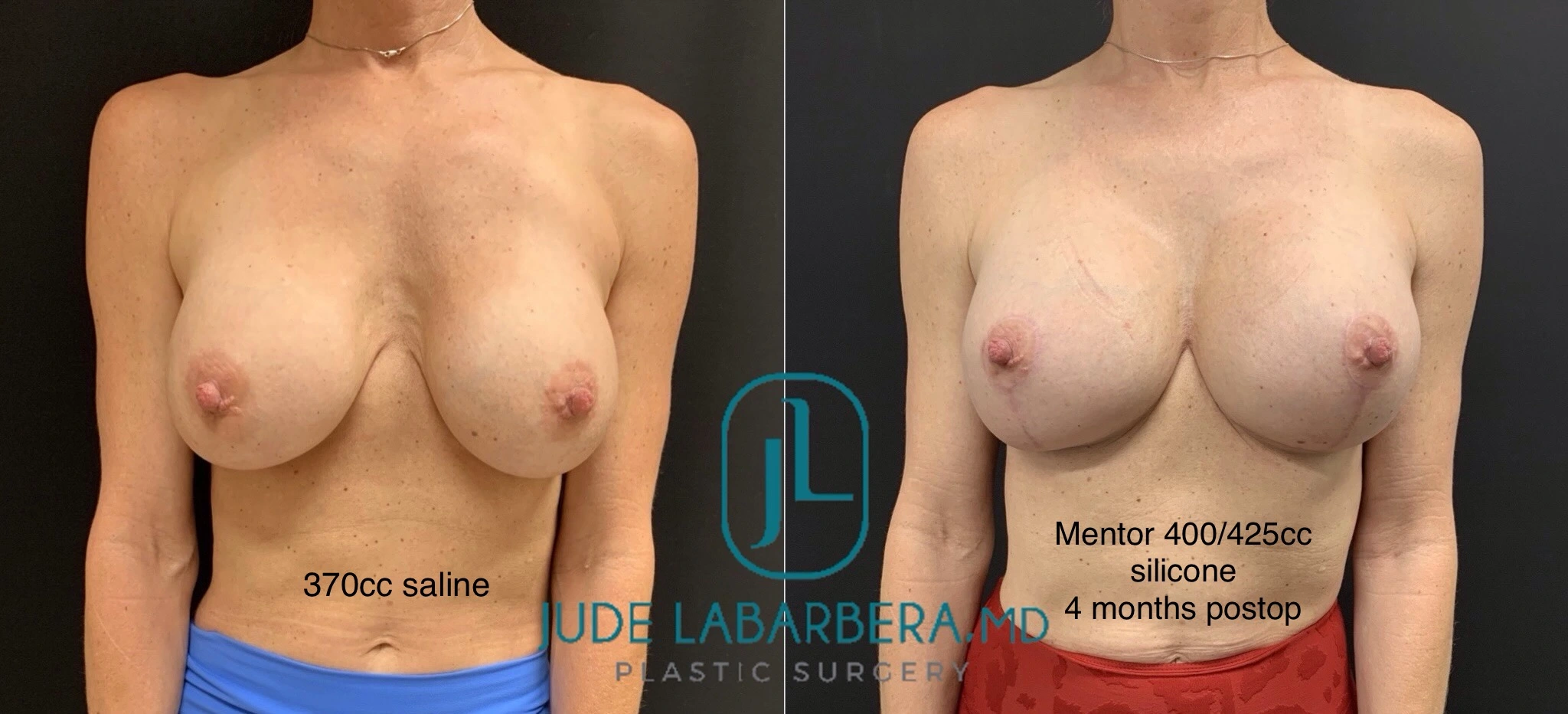
Silicone implants are a popular choice for breast augmentation surgery due to their natural feel. They come in various shapes, profiles, and volumes, which directly influence your final look. Silicone implants are less likely to ripple and often look and feel more like natural breast tissue compared to saline options.
Some key points about silicone implants:
They retain shape even if the outer shell is compressed.
Available in both round and anatomical (teardrop) shapes.
Can help achieve a more subtle enhancement without looking artificially large.
Choosing silicone implants means you have flexibility in selecting volume and profile to match your desired outcome.
Implant Dimensions: Combining Diameter, Volume, and Profile
Implant dimensions encompass diameter, volume, and profile, forming the blueprint for your breast augmentation. Combining these measurements allows your surgeon to customize implants to your unique anatomy.
Diameter: Sets the width of your breast footprint.
Volume: Determines the overall fullness.
Profile: Controls projection and shape.
By carefully balancing these dimensions, you can achieve a natural, proportionate, and long-lasting result.
Breast Implant Volume: How to Determine the Right Amount
Breast implant volume, measured in cubic centimeters (cc), largely dictates the overall size of your new breasts. Determining the correct volume requires understanding both your current anatomy and your aesthetic goals.
- Start with your frame: Narrow frames may not support very high volumes comfortably, whereas broader frames can often handle larger implants.
- Consider tissue thickness: Thin breast tissue may not conceal very high volumes, leading to visible edges or rippling.
- Simulation tools: Many surgeons offer sizers or 3D imaging to help visualize how different volumes will look on your body.
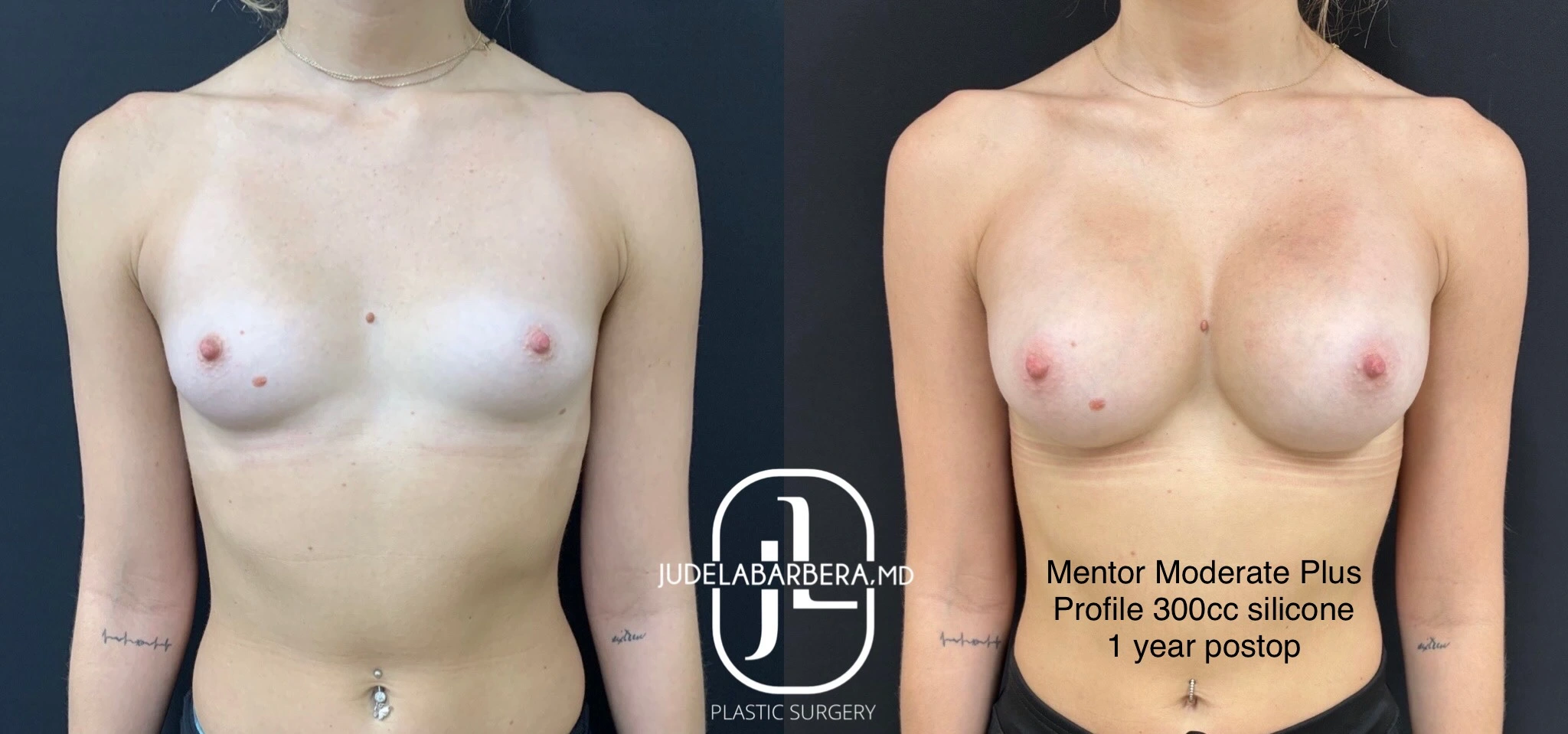
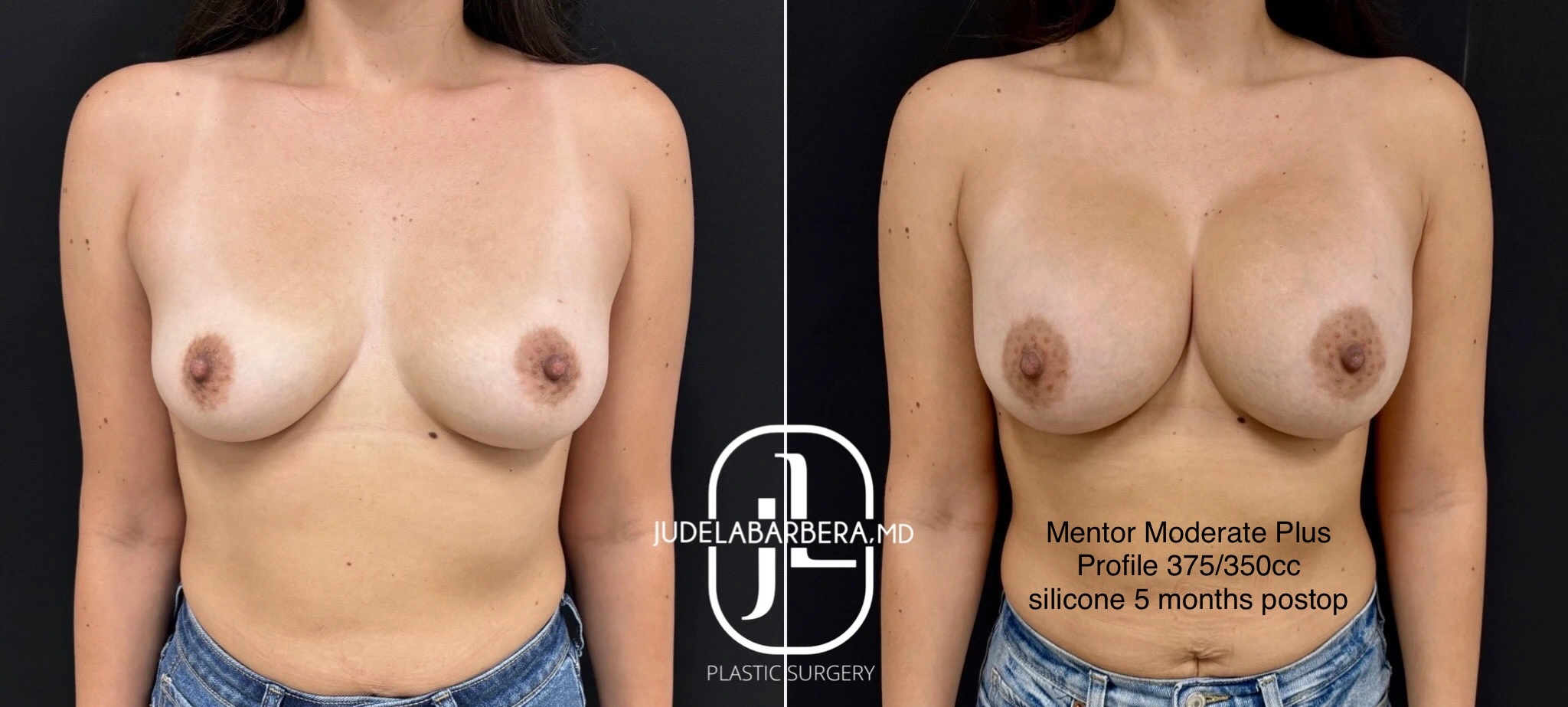
Volumes can range from under 200 cc for subtle enhancement to over 600 cc for dramatic changes, but choosing the right size is more about proportion than sheer numbers.
Implant Diameter: Matching Width to Your Chest
Implant diameter refers to the width of the implant across the chest. It’s one of the most critical factors in achieving a natural appearance. A poorly chosen diameter can create an unnatural look, even if the volume seems correct.
- Measure your base width: Your natural breast width sets the maximum safe implant diameter.
- Balance projection and width: Wide implants with high projection may look exaggerated on a narrow chest.
- Symmetry: Slight differences in diameter may be needed to achieve balance if your breasts are not naturally identical.
By focusing on implant diameter, you can ensure that your results are proportionate to your body.
Breast Implant Profiles: Choosing the Projection
Breast implant profiles describe how much the implant projects from the chest wall. This feature greatly influences your final silhouette and how your chest appears from the side.
Low profile: Wider base, less projection – creates a softer, natural look.
Moderate profile: Balanced width and projection – most versatile choice.
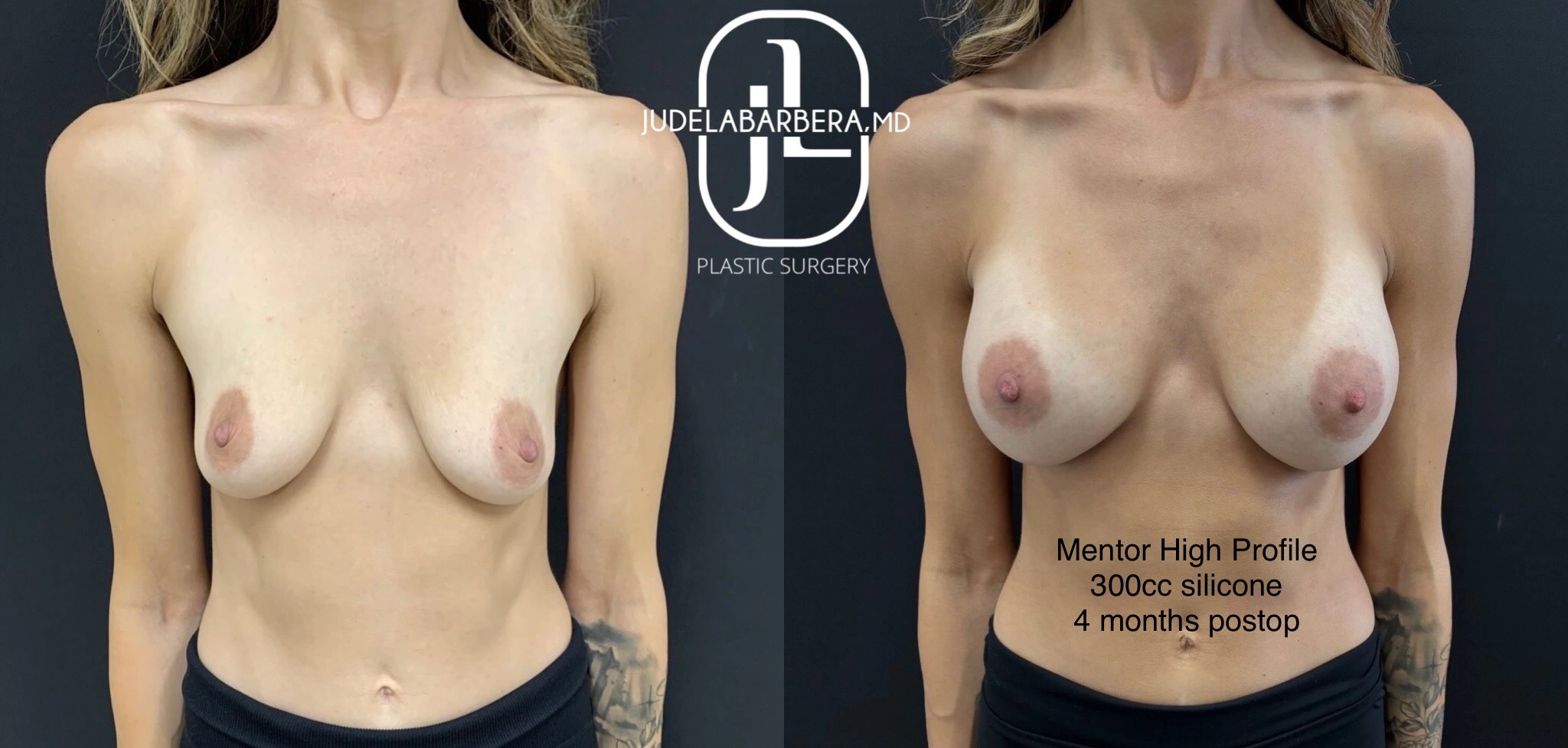
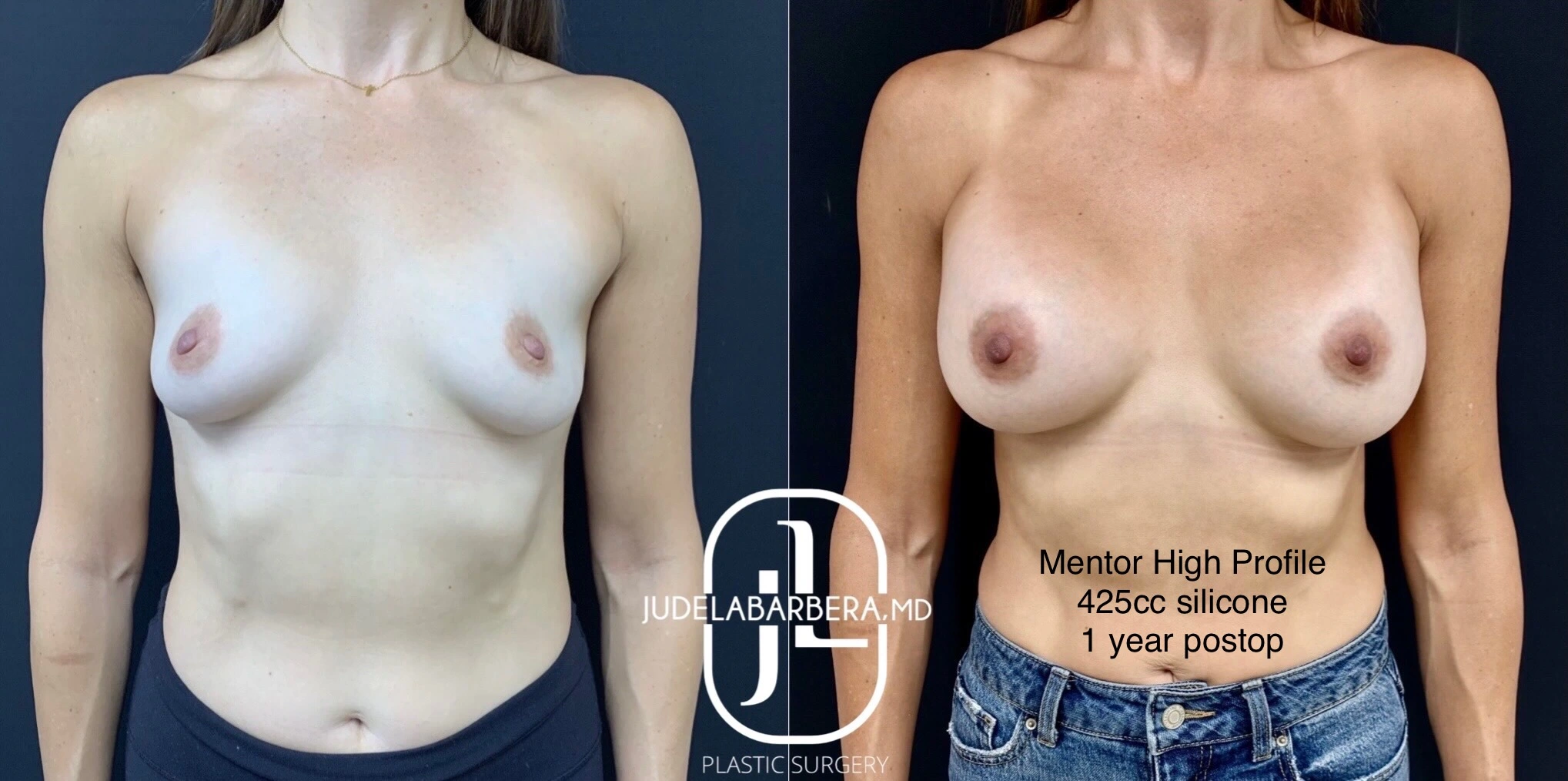
High profile: Narrow base, maximum projection – best for a fuller, rounder appearance.
Matching your chosen profile to your body frame ensures a proportional and aesthetically pleasing result.
What Size Breast Implants Should You Get? Practical Tips
Deciding what size breast implants you should get requires both self-reflection and professional guidance. Here are practical steps to make your choice:
- Visual references: Bring photos of results you like to your consultation.
- Try sizers: Surgeons often provide temporary sizers to wear in a bra to “test” different volumes and profiles.
- Consult measurements: Discuss base width, tissue thickness, and projection to narrow down your options.
- Lifestyle impact: Consider activities like running, swimming, or other exercises that could be affected by size.
Ultimately, your best size is one that balances your desired look with comfort, proportion, and long-term wearability.
Cup Size: Understanding the Limitations
While cup size is a familiar term, it can be misleading when choosing implants. Cup sizes vary across brands and often fail to accurately reflect your new proportions.
Cup sizes are relative: A B cup on one bra brand may differ from another.
Focus on measurements: Base width, projection, and volume give more reliable indicators than cup size alone.
Visual goals: Communicate your aesthetic preferences in photos rather than bra sizing.
Understanding cup size as a guideline rather than a rule can prevent unrealistic expectations and disappointment.
Small Breast Implants: When Less Is More
Not every patient seeks dramatic change. Small breast implants can enhance shape and symmetry subtly while maintaining a natural appearance.
Ideal for women with modest goals or petite frames.
Reduce stress on skin and underlying tissues, lowering the risk of sagging over time.
Often easier to combine with lifestyle activities due to its lighter weight.
Small breast implants still require careful planning regarding diameter and profile to achieve the desired result without appearing disproportionate.
Implant Size Affect: How Size Impacts Other Factors
The implant size affects more than just appearance – it influences long-term comfort, clothing fit, and tissue behavior.
Skin and tissue stress: Larger implants place more tension on skin, potentially accelerating sagging.
Physical activities: High-volume implants may limit mobility or cause discomfort during exercise.
Long-term maintenance: Larger implants may require more frequent follow-ups and have a slightly higher risk of complications.
Understanding these effects ensures your implant size fits both your lifestyle and your body.
Schedule an Appointment with Dr. LaBarbera for an Excellent Breast Augmentation
If you’re ready to explore breast surgery, scheduling a consultation with our board-certified plastic surgeon, Dr. Jude LaBarbera, is the best first step. During your appointment, you’ll discuss your goals, body shape, and preferences to determine the ideal breast implant size for your unique anatomy.
Breast implants come in a variety of types, including round implants, high-profile implants, low-profile implants, and textured breast implants. Dr. LaBarbera will guide you through these options, helping you understand how each choice affects your silhouette and overall results. By considering your natural proportions and lifestyle, he ensures your implants enhance your figure while maintaining a balanced, natural appearance.
From selecting the right profile to achieving the ideal breast implant size, Dr. LaBarbera’s expertise ensures a personalized approach that prioritizes both aesthetics and safety. Whether you’re interested in subtle enhancement or more noticeable volume, a consultation will provide clarity and confidence on your path to beautiful results.
Conclusion
If you’re wondering how to choose the right breast implant size, it’s important to remember that there is no one-size-fits-all solution. When it comes to breast implants, factors to consider include your natural breast size, breast shape, body proportions, and personal goals. Whether you prefer silicone gel or saline implants, or are interested in shaped implants for a more anatomical look, understanding common breast implant sizes can help guide your decision.
For those considering additional procedures, a breast lift may be combined with implants to achieve optimal positioning and contour. By carefully evaluating these factors and discussing your options with a qualified surgeon, you can select an implant that enhances your silhouette, complements your breast shape, and provides results that feel natural and proportional.

Dr. M. Jude LaBarbera
Board-Certified Plastic Surgeon
Dr. Labarbera is devoted to providing the highest quality of surgical excellence and a superior level of care delivering life-changing, natural-looking results through cosmetic and reconstructive procedures. With years of specialized training and a patient-first philosophy, he has helped countless individuals restore confidence and redefine their appearance.
January 31, 2026