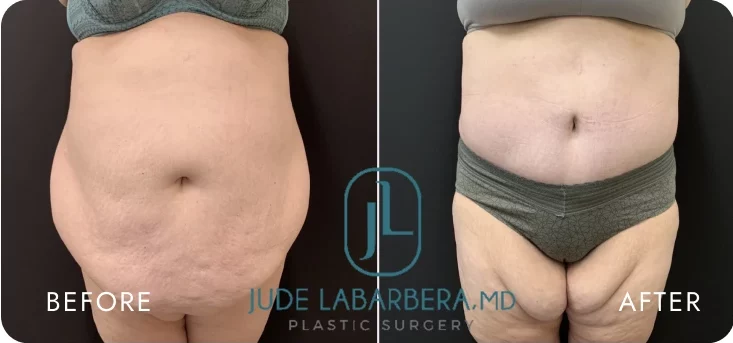
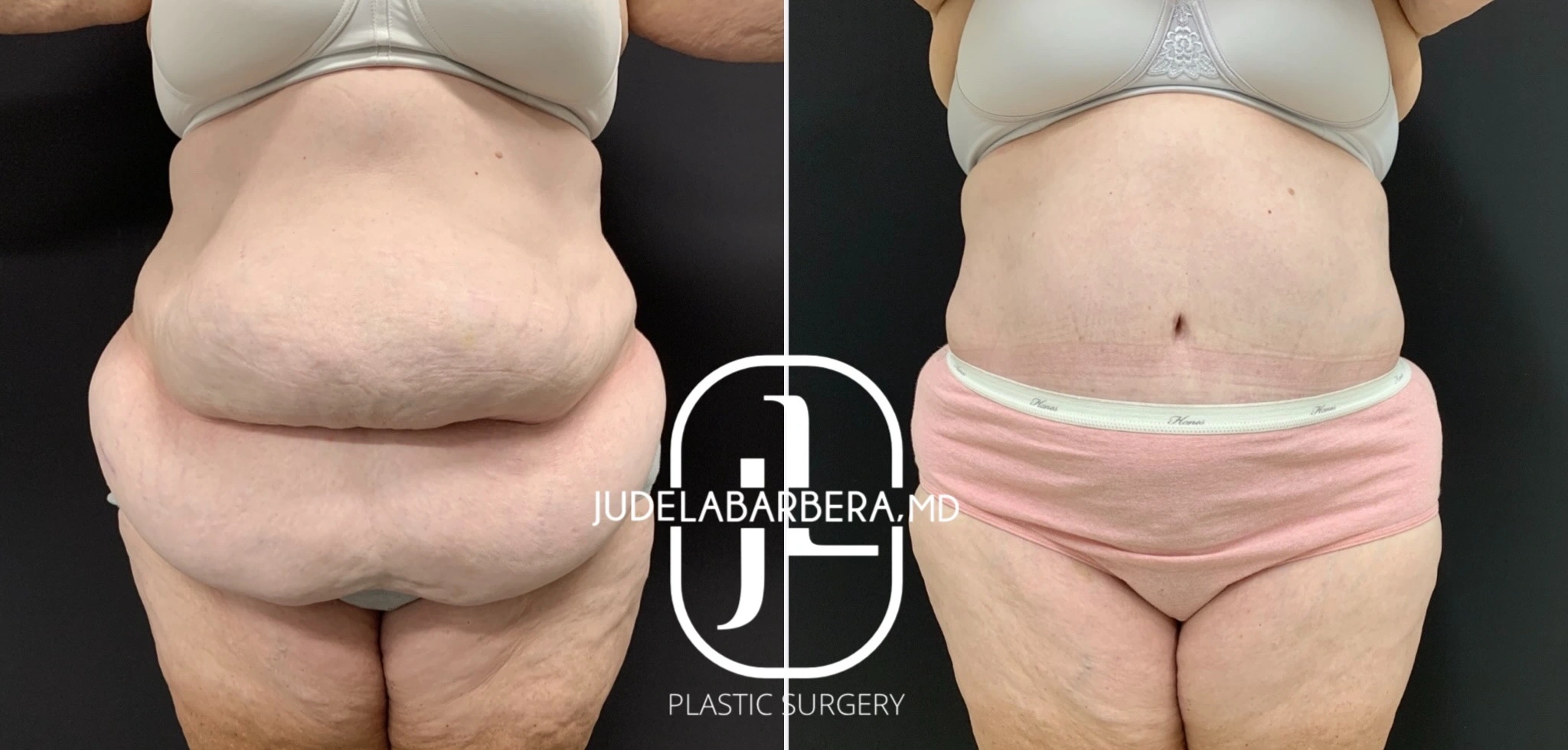
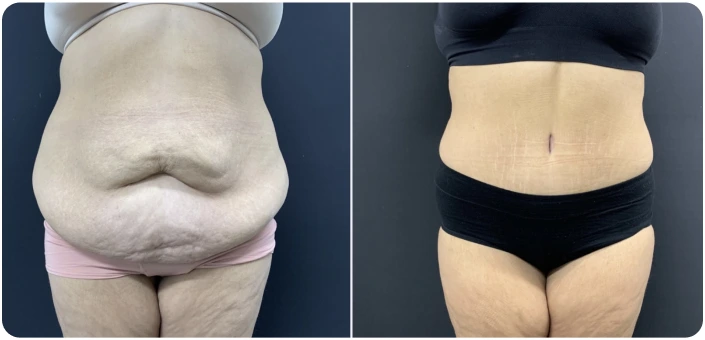
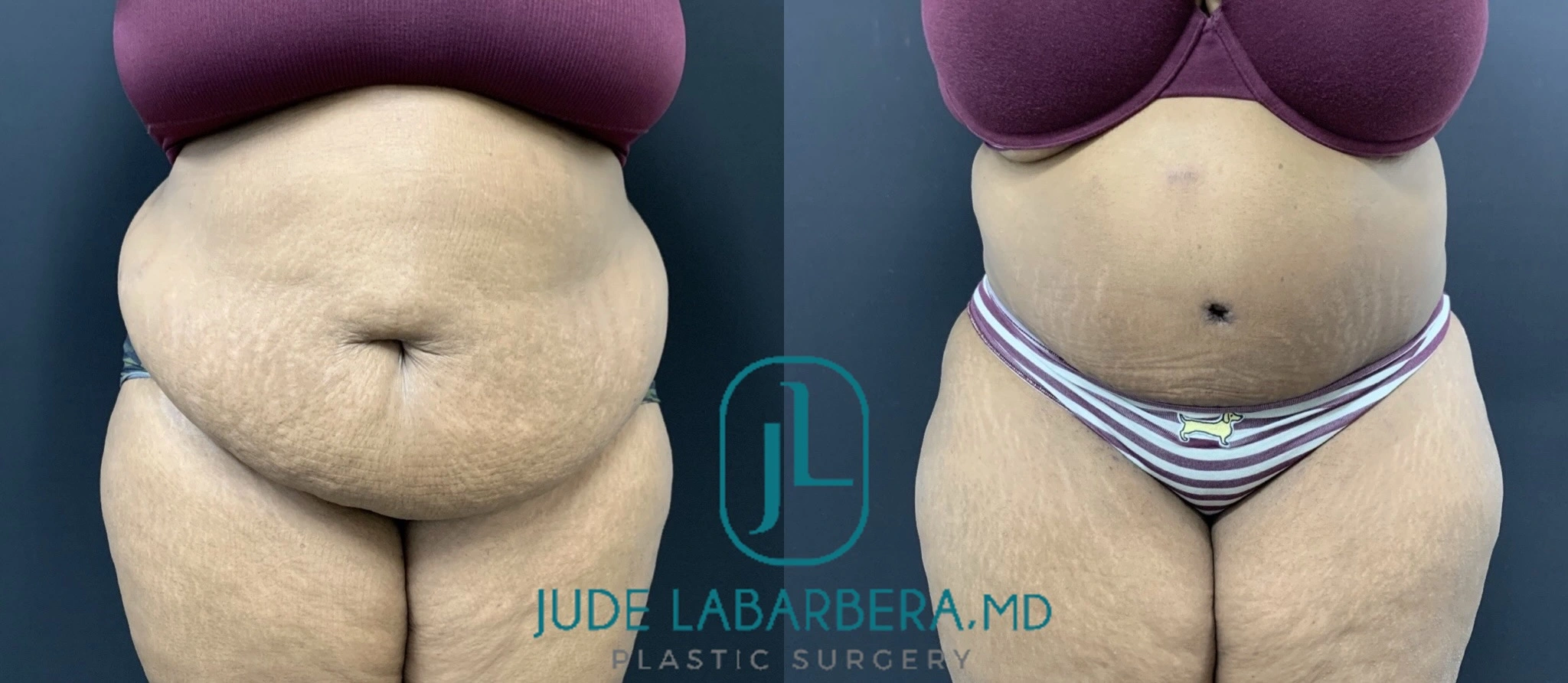
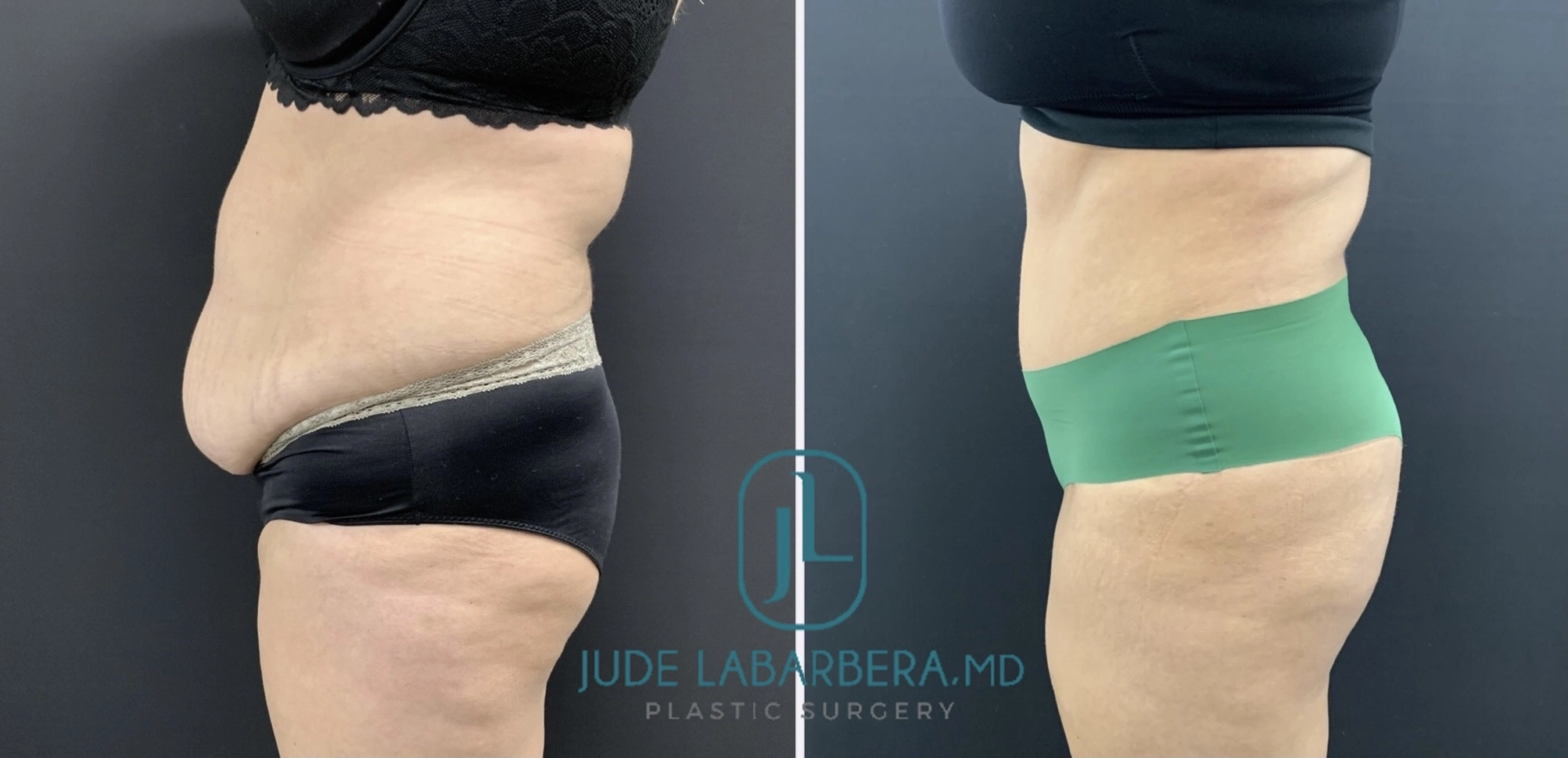
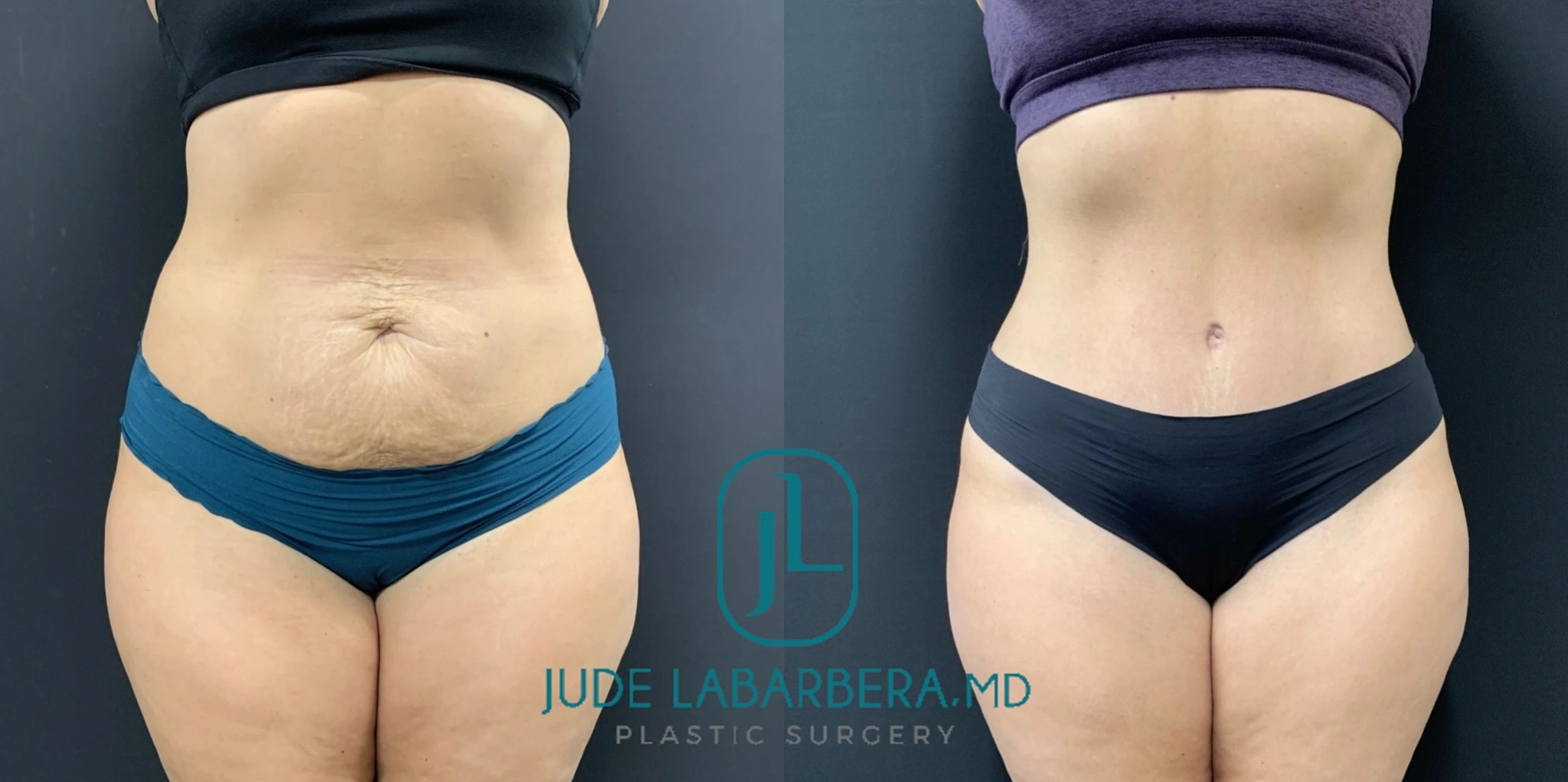
When it comes to achieving a more contoured midsection, many people choose between two popular surgical options: liposuction and tummy tuck. The right procedure for you depends on several key factors, including the amount of excess skin you have, the condition of your abdominal muscles, your overall health status, and your specific aesthetic goals. If you're primarily dealing with stubborn fat deposits but have good skin elasticity and tone, liposuction may be your optimal option. However, if you're struggling with loose skin and weakened abdominal muscles (often after pregnancy or significant weight loss), a tummy tuck will likely deliver the results you're seeking.
Understanding the fundamental differences between these procedures is essential for making an informed decision about your body contouring journey. Both surgeries can dramatically improve your appearance and confidence, but they address different concerns and involve varying levels of invasiveness, recovery time, and long-term results.
Before diving into which procedure might be right for you, it’s essential to understand what each surgery actually involves and what problems they’re designed to solve.
Liposuction is a cosmetic surgery procedure that removes localized fat deposits from specific areas of the body. During the procedure, a surgeon makes small incisions and inserts a thin tube called a cannula to suction out unwanted fat cells. This technique can be performed on various body areas, including the abdomen, hips, thighs, arms, and back.
The procedure is ideal for people who are at or near their ideal weight but struggle with stubborn pockets of fat that don’t respond to diet and exercise. Liposuction sculpts and contours the body by removing these resistant fat deposits, creating smoother body contours.
A tummy tuck, medically known as abdominoplasty, is a more comprehensive plastic surgery procedure that addresses both excess skin and weakened abdominal muscles. During this surgery, the surgeon removes loose, hanging skin from the abdomen, tightens the underlying muscles that may have separated or stretched, and repositions the remaining skin to create a firmer, flatter abdominal profile.
This procedure is particularly beneficial for individuals who have experienced significant changes to their bodies, such as after pregnancy or major weight loss. These life events often leave behind stretched skin and separated abdominal muscles that cannot be corrected through exercise alone.
Several important distinctions separate these two procedures, and understanding them will help guide your decision.
The most significant difference between liposuction and a tummy tuck is how they handle excess skin.
Liposuction only removes fat and does not address skin laxity. If you have good skin elasticity, your skin may naturally retract after fat removal. However, if you already have loose, sagging skin, liposuction alone won’t improve this condition and might even make it more noticeable.
A tummy tuck specifically targets loose skin by surgically removing it. This makes abdominoplasty the superior choice for anyone with significant skin laxity, lower-abdominal stretch marks, or a hanging “apron” of skin.
Another crucial difference involves the abdominal muscles. Pregnancy and significant weight fluctuations can cause the abdominal muscles to separate (a condition called diastasis recti), creating a protruding belly that no amount of exercise can fix.
Liposuction does not address muscle separation at all since it only removes fat. A tummy tuck, however, includes muscle repair as a standard part of the procedure. The surgeon stitches the separated muscles back together, creating a firmer, more toned core and a flatter abdominal profile.
Liposuction recovery is generally shorter and less intensive than tumm
Liposuction recovery is generally shorter and less intensive than tummy tuck recovery
y tuck recovery. Most liposuction patients can return to work within a few days to a week, depending on the extent of the procedure and their job requirements. Swelling and bruising typically subside within a few weeks, and patients can usually resume exercise within three to four weeks.
Tummy tuck recovery is more extensive due to the invasive nature of the surgery. Most patients need 2-4 weeks off work and must avoid strenuous activities for six weeks or longer. The recovery involves managing surgical drains, wearing compression garments, and gradually increasing activity levels under medical supervision.
Determining which procedure is right for you involves assessing your physical condition, health status, and aesthetic goals.
Liposuction works best for individuals who:
Your body mass index (BMI) also plays a role in candidacy. Most surgeons recommend that liposuction candidates have a BMI under 30 for optimal results and safety.
A tummy tuck is typically the better choice for people who:
Women who have had multiple pregnancies and individuals who have lost 50 pounds or more often find that a tummy tuck provides the comprehensive transformation they’re seeking.
Sometimes, a single procedure isn’t enough to achieve your desired results.
Yes, many patients choose to combine liposuction with a tummy tuck for comprehensive body contouring. This combination allows surgeons to remove excess skin and tighten muscles while also sculpting areas with stubborn fat deposits. The procedures can often be performed during the same surgical session, minimizing overall recovery time.
Combining procedures makes sense when you have both loose skin and localized fat deposits in areas beyond what the tummy tuck addresses, such as the flanks or upper abdomen.
For patients with minimal skin laxity confined to the area below the belly button, a mini tummy tuck might be appropriate. This modified procedure involves a shorter incision, removes less skin, and typically doesn’t include muscle repair above the belly button. The mini tummy tuck offers a middle ground between liposuction and a full abdominoplasty, with a shorter recovery time than the full procedure but more comprehensive results than liposuction alone.
Both procedures can deliver impressive, long-lasting results when you maintain a healthy lifestyle afterward.
Tummy tuck results are typically more dramatic and comprehensive than those of liposuction because the procedure addresses multiple issues simultaneously. Patients see a flatter, firmer abdomen with improved muscle tone and significantly reduced skin laxity. The results are generally permanent, provided you don’t experience significant weight fluctuations or pregnancy after surgery.
Liposuction provides excellent body contouring in treated areas, with results that become fully visible once swelling subsides (usually within three to six months). While the fat cells removed during liposuction are gone permanently, remaining fat cells can still expand if you gain weight.
Both procedures require commitment to maintaining results through healthy eating, regular exercise, and stable weight maintenance. Neither surgery is a substitute for weight loss or a healthy lifestyle. Think of these procedures as body contouring tools that provide a refined starting point for maintaining your physique through proper diet and exercise.
Choosing between liposuction and a tummy tuck is a significant decision that should be made in consultation with a board-certified plastic surgeon. During your consultation, the surgeon will evaluate your body composition, skin quality, muscle tone, overall health, and aesthetic goals to recommend the most appropriate procedure.
Don’t hesitate to ask questions about the surgeon’s experience, view before-and-after photos of previous patients, and discuss any concerns about risks, recovery, or results. A qualified surgeon will provide honest guidance about what each procedure can realistically achieve for your unique situation.
BMI is important in liposuction and tummy tucks because it helps surgeons assess overall health risks. A higher BMI can increase the chances of complications, such as poor wound healing, blood clots, and anesthesia problems. Because these surgeries are aesthetic procedures – not weight-loss methods – surgeons use BMI to decide whether it’s safe to operate and to plan the approach that will protect a patient’s health.
Ultimately, the choice between these procedures comes down to your specific anatomical needs. Liposuction removes excess fat from targeted areas when skin elasticity is good. Tummy tuck surgery addresses loose abdominal skin and stretched abdominal muscles, and repairs the abdominal wall for comprehensive transformation. Tummy tuck patients typically achieve more dramatic results than liposuction alone can provide. However, it’s essential to maintain a stable weight after either procedure, as significant weight gain can compromise your results and diminish the aesthetic improvements you’ve worked hard to achieve. Cost can also influence the decision between Lipo 360 and a tummy tuck. Generally, Lipo 360 is less expensive because it’s less invasive and does not involve muscle tightening or large incisions. The total price varies depending on the areas treated, the surgeon’s credentials, and whether the procedure is combined with others.
A tummy tuck tends to be more expensive, reflecting the complexity of the surgery and the longer recovery period. However, it also delivers results that Lipo 360 alone cannot achieve, especially for those with significant loose skin or separated abdominal muscles.
When evaluating cost, it’s essential to consider long-term satisfaction. Choosing the correct procedure for your specific needs often prevents the need for revisions or additional surgeries in the future.